
Sant'Efisio: the four days that Cagliari walks to Nora
A cura della famiglia Maison Estran

Every year since 1657, from 1 to 4 May, the Festa di Sant'Efisio takes Cagliari's patron saint down the coast to Nora, where he was martyred, and back. The vow, the ox carts, the costumes, the route day by day, and where to watch in 2027.
On the first of May, a little after midday, the people of Cagliari throw roses at a cart. Red, pink and yellow petals land on the paving of Via Roma, the ships in the port sound their sirens, the launeddas (the Sardinian triple pipe) start up, and a seventeenth-century statue of the saint passes over a carpet of flowers. The Festa di Sant'Efisio has begun, and it will not end for four days and some seventy kilometres.
Il Polpo Nero stands on a hill near Pula, and the saint spends two of those days in Pula and at Nora, ten minutes or so from the house. It is a feast on our doorstep, and one we would tell anyone to see once.
What is the Festa di Sant'Efisio?
Efisio is the patron saint of Cagliari, invoked as Sardae Patronus insulae, patron of the island. Tradition says he was a Roman soldier who became a Christian and was beheaded at Nora, most often dated to 303.
The feast comes from a vow. In 1652, with the plague in Sardinia, the city asked the saint for protection and promised him a procession to the place of his martyrdom. The first was held in May 1657, and the city has kept its word every year since; the document of the vow is in the State Archives of Cagliari. The 2026 feast was the 370th, so 1 to 4 May 2027 will be the 371st. (The saint is credited with a second rescue, when a French fleet bombarded Cagliari in 1793, and is honoured on Easter Monday too.)
Traccas, horsemen and the costumes of the towns
The procession opens with the traccas, carts pulled by decorated oxen, usually thirty or forty of them from the towns around Cagliari. Then come the pilgrims from all over Sardinia, each group in the dress of its own town: around 3,000 people in 2026, with more than 170 horsemen, singers and dozens of launeddas players.
Sardinian costume changes from town to town, and each one is a small encyclopaedia. In Desulo the women's headpieces are embroidered in miniature with yellow, red and blue geometric patterns. In Orgosolo the silk kerchief is dyed yellow with saffron. In Tempio the dress is black damask silk, with white lace held by filigree. Bosa's skirts are blue with indigo.
Around the saint walk the people who have always escorted him. Su carradori leads the oxen, in a red doublet edged in black. The Miliziani ride as his militia; the Guardiania, the guard of honour, wear tailcoats and top hats. The brothers of the Arciconfraternita del Gonfalone, founded in 1564, who organise the feast, walk in blue habits, the sisters in black and veiled. The Alter Nos, chosen by the mayor to stand in for the city, wears the Golden Fleece medallion given in 1679 by Charles II and follows the saint for all four days. And at the end comes Efisio himself, on his carriage, pulled by oxen.
Except in 2026, when he was not. An outbreak of bovine dermatitis led the Region and the health authority to ban oxen, so the brothers carried the statue on their shoulders through Cagliari and a pickup truck took it on along the coast; the traccas did not parade in the city. Pula, outside the restricted zone, still had its ox carts. Things may be back to normal in 2027, but check the programme in April.
The route, day by day
These times come from the 2026 programme of the Comune di Cagliari. Treat them as a guide until the 2027 programme is out.
Saturday 1 May: Cagliari to Sarroch
Around noon the cart leaves the church of Sant'Efisio in Stampace and winds through the city, by Piazza Yenne, Corso Vittorio Emanuele, Piazza del Carmine and Largo Carlo Felice, to Via Roma, where the ramadura, the rain of petals, happens, then out along Viale La Playa. Around three, at the little church of Giorgino, the fishermen of the village change the saint's clothes, take off his jewels and put him on a simpler country cart. He goes on down the coast, past La Maddalena Spiaggia, Su Loi and Villa d'Orri, and reaches Sarroch at about eleven at night.
Sunday 2 May: Villa San Pietro, Pula and Nora
From eight in the morning the pilgrimage goes through Villa San Pietro and reaches Pula around half past twelve. On the bridge called Su Rondò, the Alter Nos hands the feast to the mayor of Pula; in 2026 the parish priest greeted the pilgrims in Sardinian ("welcome to your home") and the saint was showered with aromatic herbs and rose petals. After Mass at San Giovanni Battista, the procession leaves for Nora at about six and arrives around nine.
Monday 3 May: Nora
Masses are said all morning in the small Romanesque church of Sant'Efisio by the sea, consecrated in 1102 and built partly with stone from the ruins of Nora. At eleven the Archbishop of Cagliari celebrates a solemn Mass. At half past six the statue is carried through the archaeological area and onto the beach, to the place of the martyrdom, then back to Pula for the night.
Tuesday 4 May: the return
From half past seven the saint goes back the way he came, to Giorgino, where he is dressed again in his finery. At about eight in the evening the last procession leaves for the city, met by a torchlight vigil, and around ten he is home in Stampace, where the president of the confraternity declares the vow fulfilled for another year.

Where to watch the Festa di Sant'Efisio
In Cagliari, on 1 May
1 May is a public holiday in Italy, and the whole route is lined with people. The stands are in Via Roma and Piazza Matteotti, in front of the station: in 2026 they cost €20 to €35, with a free platform for 50 people (wheelchair users and their companions), and more than 1,500 seats sold out before the day. In 2025 tickets went on sale in early April, online and at the box office in Viale Regina Margherita, so buy early, and watch the regional tourist board and the Comune for 2027. Without a ticket, go early to Largo Carlo Felice, Piazza del Carmine or the streets of Stampace near the church. For the rest of the city, see a day in Cagliari.
In Pula and at Nora, on 2 and 3 May
If you are staying near Pula, this is the part we would suggest: closer, and in smaller towns. Be at Su Rondò around midday on 2 May to see the saint arrive; the evening procession to Nora goes out in the last of the light. On 3 May, come to Nora for the morning Mass or for the procession onto the beach. The church is small and the crowds are not, so arrive well ahead; our day guide to Nora has the rest of the site. Il Polpo Nero is a few minutes from both Pula and Nora, and it welcomes guests for the feast in early May: write to us for dates.
Filigree, looms and the people who make them
Look closely at the gold on the costumes. Sardinian filigree is made of fine threads of gold or silver, in a technique that closely resembles Phoenician jewellery found at Cagliari, Tharros and Nora itself. The fede sarda, the wedding ring, is built of tiny spheres like grains of wheat, and the double-domed buttons are linked to Tanit, the Phoenician goddess of fertility.
To see filigree made, go to Via Garibaldi, in Cagliari. The Carta family has worked in gold since 1920, and in 1956 it made the small crown the saint wears in the procession; Pierandrea Carta, the third generation, restored it in 2011 and still makes filigree by hand. Find Gioielleria Carta on Instagram or on the regional craft register.
For the cloth, go inland. In Samugheo, Mariantonia Urru has woven carpets by hand since 1981, with designs drawn from Sardinian archaeology and the island's old festive life; the workshop receives visitors by appointment and runs one-day weaving courses. In Mogoro, the cooperative Su Trobasciu weaves carpets, tapestries and cushions on traditional handlooms. Call before you go.
What to wear, the crowds, and what to eat
Wear comfortable shoes and a hat: the procession moves slowly, and the May sun is stronger than it looks. This is a religious feast before it is a show, so do not cut through the procession, keep the way clear in front of the saint, and dress for church if you go into one. With children, Pula and Nora are easier than Via Roma.
For lunch in Cagliari on 1 May, book. CUCINA.eat keeps its Michelin Bib Gourmand in the 2027 guide, and there are more ideas in our South Sardinia address book. In Pula, the bars around Piazza del Popolo are the natural end to 2 May. Or stay in and eat at the house. A private chef can be arranged on request at Il Polpo Nero; for a dinner of his own, Francesco Stara, the chef of Fradis Minoris, comes up the hill on request, and Marzia Aroffu cooks a family-style meal (both are on our experiences page).
Quick answers
When is the Festa di Sant'Efisio in 2027? Saturday 1 May to Tuesday 4 May. The big procession through Cagliari is on 1 May; the saint is in Pula and at Nora on 2 and 3 May.
Do you need tickets? Only for the stands in Cagliari on 1 May, sold by the Comune in spring. The rest of the route is free.
Which edition is it? The 371st, held every year since 1657.
How do I get there? Fly to Cagliari-Elmas, about 35 minutes from Pula (see how to get to Sardinia). Still choosing an island? Read our Sardinia or Corsica comparison.
The Maison Estran Family
The house
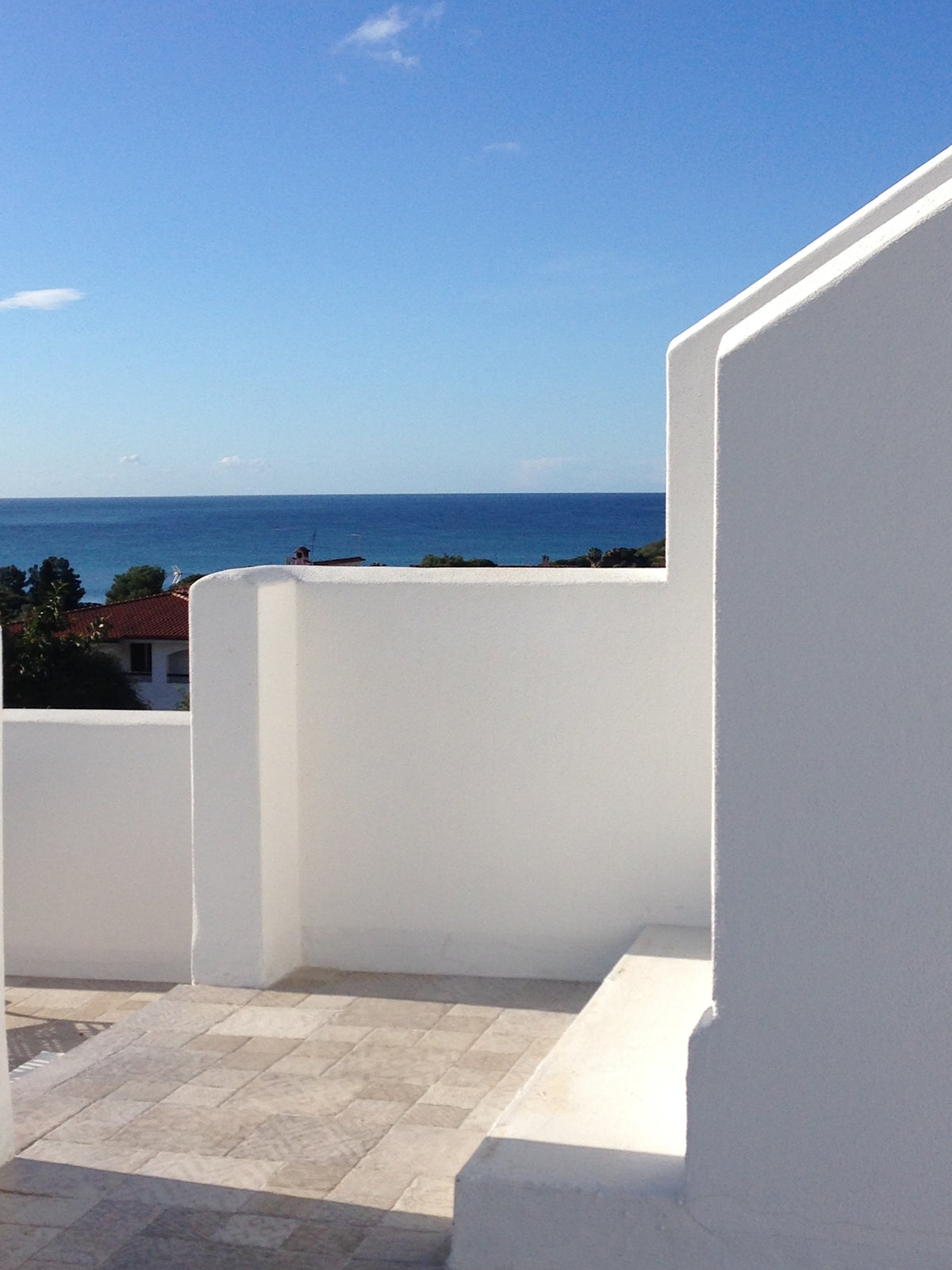
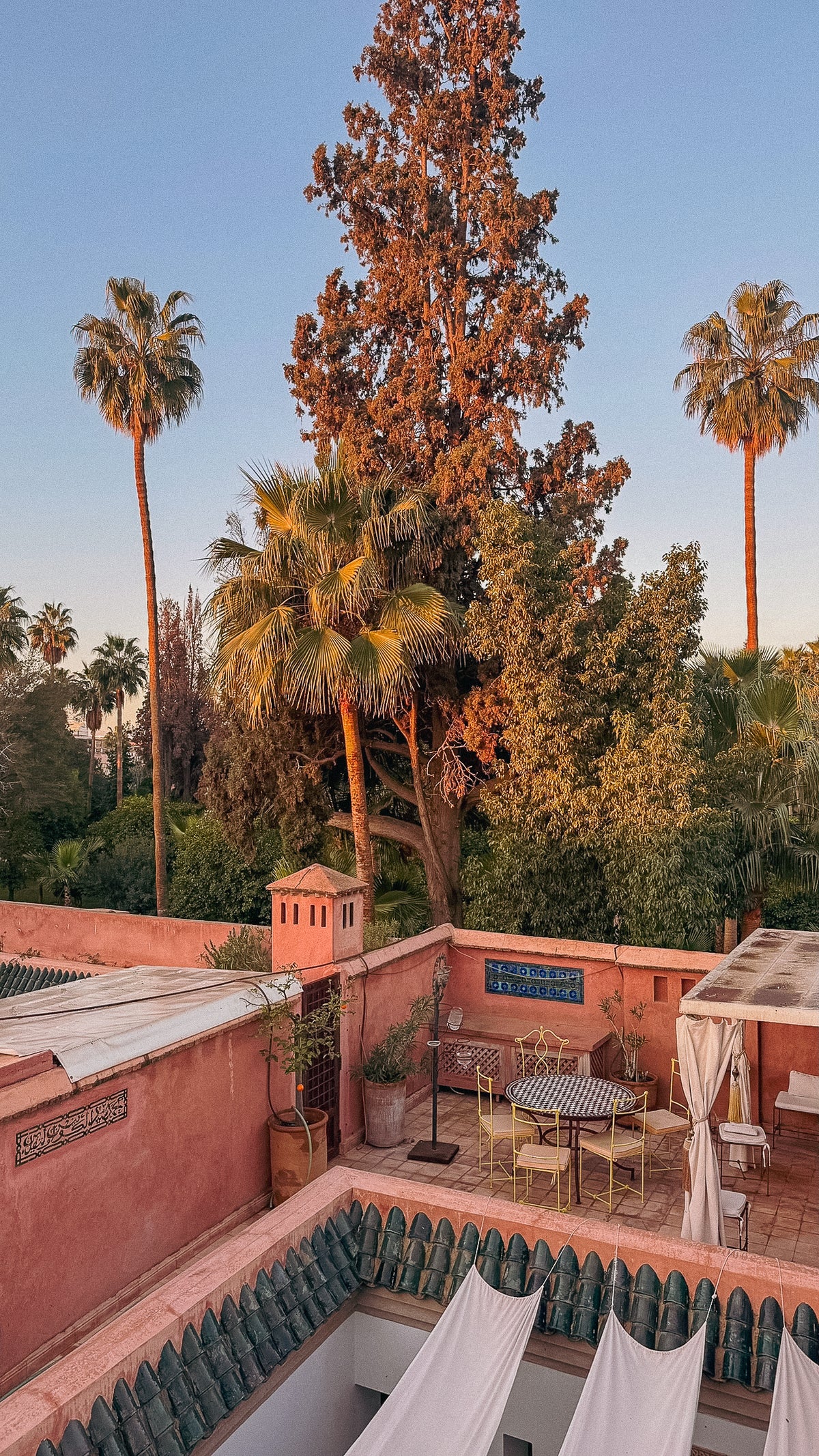
Il Polpo Nero, near Pula, South Sardinia. Ten guests, a pool and a rooftop facing the sunrise, a few minutes from Nora.