
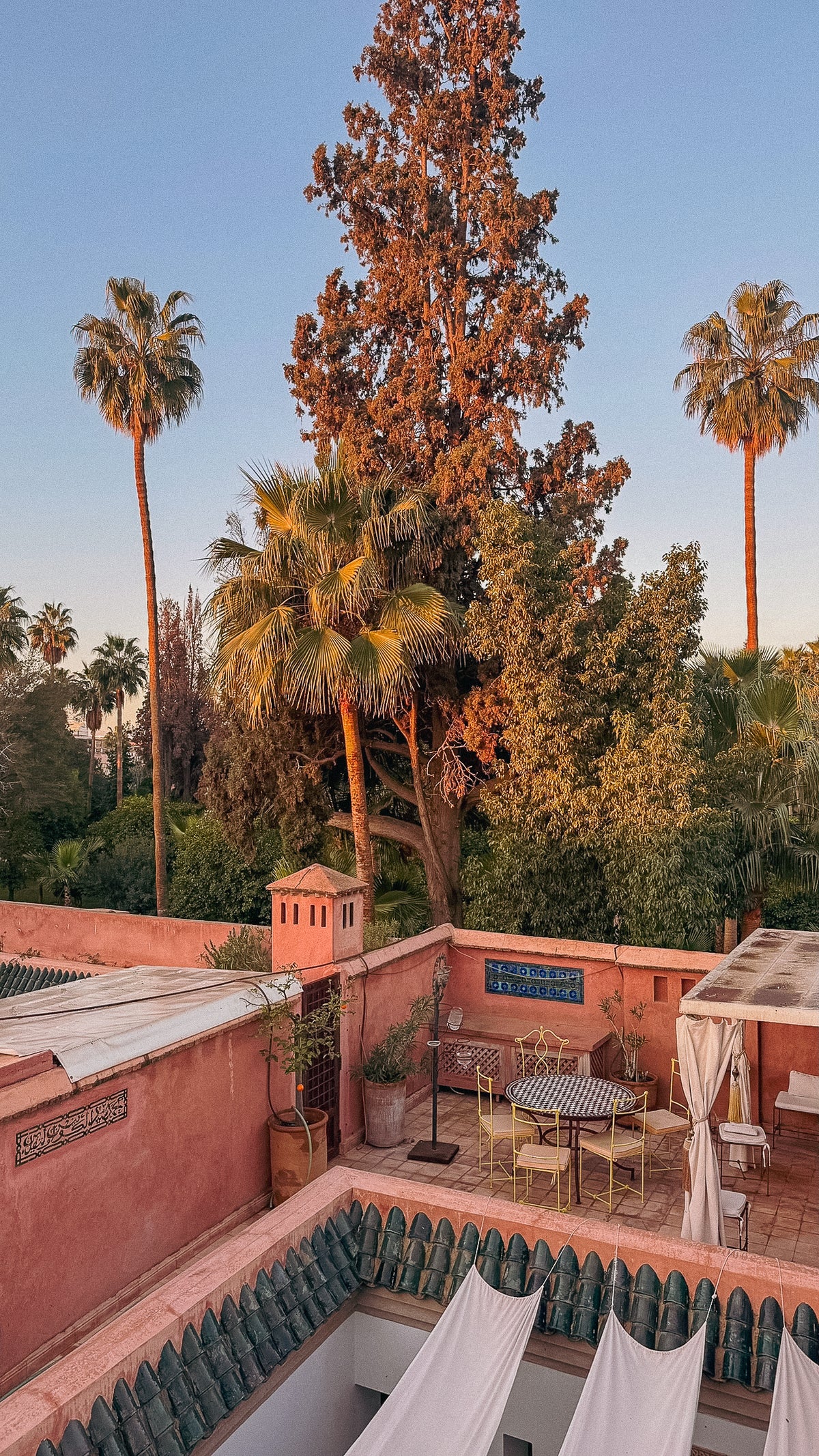
Where to stay in the Marrakech medina: the neighbourhoods explained
Por la familia Maison Estran

For a first stay in the Marrakech medina, choose Mouassine or Dar el Bacha if you want quiet lanes within walking distance of the souks, Riad Zitoun or the streets near Jemaa el-Fna if you want to be in the thick of it, and the Kasbah if you want an easy arrival. Here is every quarter, one by one: its character, its noise, how walkable it is and who it suits.
"Stay in the medina" is good advice and an incomplete one. The old city of Marrakech, a UNESCO World Heritage site since 1985, is not one place but a patchwork of quarters, each with its mosque, its fountain, its bakery and its own idea of how loud a Tuesday should be. Two houses ten minutes apart can give you two different holidays. This is how we read the map.
Mouassine: the quiet heart beside the souks
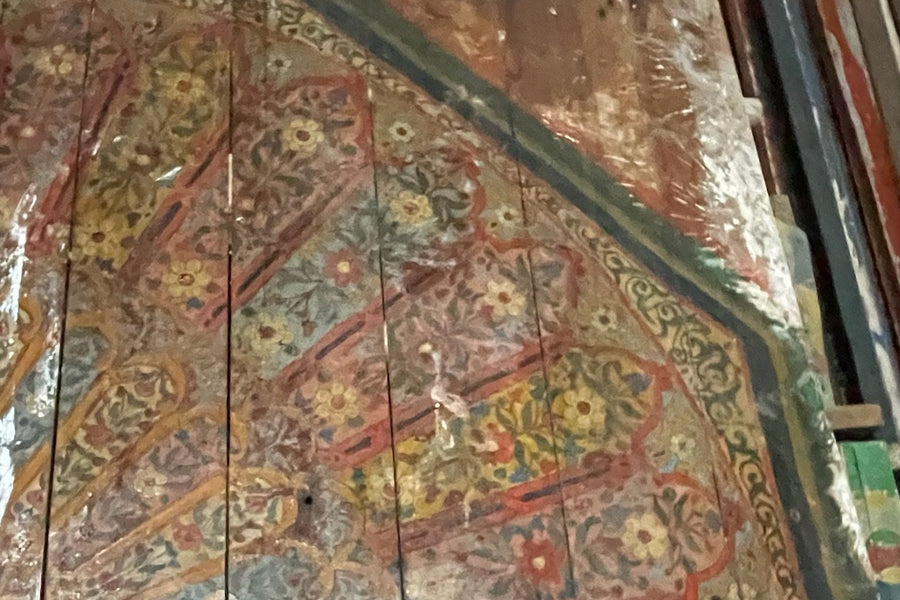
Character. Mouassine sits on the west side of the medina's centre. Its present layout dates from the Saadian period: when Sultan Abdallah al-Ghalib redeveloped the city in the 1550s and moved the Jewish community to the new Mellah, wealthy families came to build here. The Mouassine Mosque and its fountain, one of the best known in the old city, anchor the quarter, and the Mouassine Museum occupies a restored Saadian douiria, a painted upper apartment, a few lanes away.
Noise. Busy on the souk streets by day, quiet in the residential lanes that branch off them. At night, mostly the call to prayer and footsteps.
Walkability. Excellent. The souks start at the end of the street, Jemaa el-Fna is a short walk, and Bab Laksour and Bab Doukkala, where taxis stop, are close.
Who it suits. First-timers who want everything on foot without sleeping above a market; families and groups who need a quiet house with easy access.
We should declare an interest: Dar Estran, our house opening in early 2027, is in Mouassine, beside the gardens of the royal palace (Dar el Bacha). Our neighbourhood addresses are in our Dar el Bacha address book.

Dar el Bacha: gardens, a palace and long walls
Character. Just north-west of central Mouassine, the area takes its name from the palace built in 1910 for Thami El Glaoui, pasha of Marrakech. Since 2017 it has been the Musée des Confluences, Dar el Bacha, with a courtyard garden worth the visit on its own (Tuesday to Sunday, 10:00 to 18:00; check before you go). It is one of the more residential corners of the medina: old families, clean doorsteps, long walls with gardens behind them.
Noise. Low. Some traffic on the bigger street by the museum, very little in the lanes.
Walkability. Very good. The souks are minutes away, Jemaa el-Fna about a quarter of an hour on foot.
Who it suits. Anyone who prefers a neighbourhood that feels lived in, and travellers who will come and go by taxi.
Bab Doukkala: the local market at the gate
Character. At the north-west gate of the same name, with its Saadian mosque and a busy food market where the quarter does its shopping. Few visitors stay here, which is the point.
Noise. Lively around the market and the gate; quieter as you go into the lanes.
Walkability. Good for the north and west of the medina, a longer walk to the square. Taxis are easy at the gate.
Who it suits. Second visits, and travellers who like to buy their oranges where the neighbours do.
Ben Youssef and the north: monuments on the doorstep
Character. North of the souks, around the Ben Youssef Madrasa, once one of the largest Quranic schools in North Africa. Museums and craft workshops are packed into a few lanes.
Noise. Busy with visitors by day; calmer at night.
Walkability. Good, but further from the southern palaces and from most taxi drop-offs.
Who it suits. Travellers who put monuments first and do not mind the daytime crowds.
Near Jemaa el-Fna: the lively middle
Character. The great square, Jemaa el-Fna, is the medina's stage: juice stalls by day, food stalls, musicians and storytellers by night. Staying in the lanes around it puts you at the centre of everything.
Noise. The loudest choice in the medina, until late. Drums carry.
Walkability. Unbeatable, and taxis can get close.
Who it suits. A short first visit, light sleepers excepted. If you stay here, ask for a room away from the street.
Riad Zitoun: between the square and the palaces
Character. Two long streets, Riad Zitoun el Kedim and Riad Zitoun el Jdid, run south from Jemaa el-Fna towards the Bahia Palace. Plenty of small shops and cafés, and a steady flow of people heading for the square.
Noise. Moderate to lively on the main streets, quieter in the side lanes.
Walkability. Excellent for the square and the southern palaces.
Who it suits. First-timers who want the square within five minutes but not under their window.

The Kasbah: royal history, easy arrivals
Character. The southern quarter grew around the old royal kasbah. The Saadian Tombs and the ruins of the El Badi Palace are here, along with the royal palace.
Noise. Moderate. Wider streets mean more scooters and cars.
Walkability. Good for the southern monuments; a longer walk to the souks. Cars reach more doors, and it is the closest part of the medina to the airport.
Who it suits. Short stays, early flights, and anyone who wants a simple arrival.
The Mellah: the old Jewish quarter
Character. Created in the 1550s, when the Saadians moved the Jewish community here from around Mouassine, the Mellah lies beside the El Badi Palace. Its historic street names were restored in 2016 along with a programme of renovation. Spice stalls, jewellers and synagogues make it one of the city's most interesting walks.
Noise. Busy and workaday by day; less polished than the north.
Walkability. Good for the Kasbah and Bahia; further from the souks.
Who it suits. Return visitors who want to see another side of the city.
Outside the walls: Gueliz and the Palmeraie
Gueliz, the new town built under the French protectorate, has broad avenues, galleries, restaurants and taxis at the door. It is easy, convenient and quite unlike the medina; it is also where much of the city's design shopping happens.
The Palmeraie, north of the city, is a vast palm grove of large estates and pools. Space and silence, but you will need a car or a taxi for everything.
Both are good places to stay. They are simply a different holiday: you visit the medina rather than live in it. We weigh the choice in riad or hotel in Marrakech?
How to choose, in one line each
- First visit, three or four nights: Mouassine or Riad Zitoun.
- Families and groups: Mouassine or Dar el Bacha, for quiet lanes and taxis nearby. See hiring a whole riad in Marrakech for a group.
- Nightlife and the square: near Jemaa el-Fna.
- Monuments first: Ben Youssef in the north, the Kasbah in the south.
- Second or third visit: the Mellah or Bab Doukkala.
- Space, pools and a car: the Palmeraie. Avenues and restaurants: Gueliz.
Wherever you choose, ask where exactly the taxi will stop and how long the walk to the door is. Then read from Marrakech airport to the medina and, for the vocabulary of the houses, Dar or riad?
Quick answers
What is the best area to stay in the Marrakech medina? For quiet lanes within walking distance of the souks, Mouassine and Dar el Bacha. For the liveliest stay, the streets around Jemaa el-Fna and Riad Zitoun.
Which part of the medina is quietest? The residential lanes of Mouassine and Dar el Bacha, away from the main souk streets.
Is it better to stay in the medina or in Gueliz? The medina, if you want to live inside the old city and walk everywhere; Gueliz, if you prefer avenues, taxis at the door and modern restaurants.
Can a taxi drive to my riad? Rarely. Taxis stop at the gates and larger streets; a porter with a handcart usually takes the bags the rest of the way.
The Maison Estran Family
The house
Dar Estran, Mouassine, Marrakech. Eight bedrooms around two patios, beside the gardens of the royal palace. By the room or the whole house, for up to sixteen. Opening early 2027.